The Timeline
A great deal has changed in the past century. The twentieth century alone witnessed the end of the Industrial Revolution, two World Wars, the exuberance of the Roaring Twenties, the hardship of the Great Depression, the economic boom of the 1950s, the social upheaval of the 1960s and 1970s, and the rapid technological advancements of the 1980s and 1990s. Each of these eras left its mark, not only on culture and society but also on the homes people built and the way they lived within them.
Architecture has always been a reflection of the times. As the world around people changed, so too did their expectations for domestic life. The grand, service-oriented homes of the early twentieth century gave way to more modest, efficient dwellings during the Depression and wartime years. After World War II, the suburban boom redefined the American dream, as families sought comfort, stability, and togetherness in single-family homes. The rise of new building materials, modern appliances, and mass production made homeownership more attainable than ever before, ushering in a new era of convenience and design innovation.
Over the decades, home design evolved to mirror shifting lifestyles and values. The focus moved from separation and privacy toward openness and connection, with spaces intentionally crafted to foster conversation and togetherness rather than isolation. The kitchen, once tucked away behind closed doors, became the heart of the home, merging seamlessly with dining and living spaces. This transformation marked a clear departure from the centuries-old tradition of compartmentalized rooms, redefining not only how people used their homes but how they connected within them.
Today, the open floor plan continues to symbolize modern living—light-filled, flexible, and communal—an enduring reminder that architecture is more than structure; it is a reflection of how people aspire to live, interact, and belong.
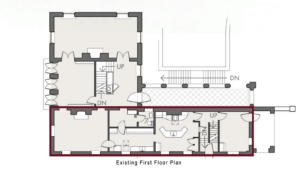
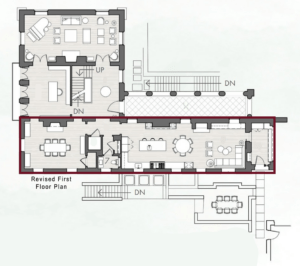
Prior to the Great Depression
For decades, large homes were designed with a clear separation between the “servants’ quarters” and the family’s living spaces, a stark contrast to the more integrated layouts we recognize in modern homes today. Kitchens were typically positioned away from family areas to prevent cooking smells from spreading, yet close enough for meals to be served efficiently. This physical divide reflected the rigid social hierarchy of the time, when domestic service was a key indicator of status and wealth. The architecture of the home reinforced that structure, with separate entrances, staircases, and workspaces for those employed to maintain it.
Before the Great Depression, most Americans experienced an era of widespread prosperity fueled by consumerism and rapid technological advances. Many families enjoyed newfound affluence, though much of this wealth remained concentrated among the upper class. Economists later suggested that this uneven prosperity reflected an economic bubble, an illusion of stability built on credit and speculation. When the Wall Street Crash of 1929 struck, the effects were devastating. Rampant gambling on the stock market caused it to collapse, wiping out fortunes overnight and leaving countless Americans facing severe financial hardship.
The crash marked a turning point not only in the nation’s economy but also in the way people lived. The financial strain forced families to downsize, eliminate household staff, and take on domestic responsibilities themselves. Homes became smaller and more functional, designed to meet the needs of a single family rather than accommodate live-in help. This shift laid the groundwork for the middle-class home as we know it today; practical, efficient, and centered around family life rather than social hierarchy.

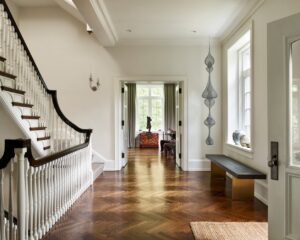
Housing Shift After the Great Depression and World War II
Due to widespread financial instability, the way families lived changed dramatically. Many could no longer afford servants, and as a result, homes were no longer designed with servants’ quarters or wings. The rise of homemakers and the introduction of T.V. dinners transformed how families interacted with their homes and with one another.
Kitchens, once secluded spaces reserved for servants or housewives, became central gathering areas. As more women entered the workforce, there was less time to prepare elaborate meals, which further popularized the convenience of T.V. dinners and encouraged families to spend time together around the dining table.
After the Second World War, a new ideal of middle-class living emerged: the “servant-less home.” In these homes, labor-saving appliances replaced the cooks and cleaners who had once managed domestic work, while minimalist furnishings made cleaning faster and easier. Servants were no longer considered essential. As fewer women pursued domestic service, the field became dominated by informal labor; refugees, migrants, and new roles such as the “au pair.”
Between 1940 and 1950, domestic service employment dropped by more than half. After the war, wages remained high, prompting employers to bypass labor laws by paying nannies and cleaners under the table instead of hiring full-time staff. Gradually, women began managing household chores themselves, redefining the modern family home.
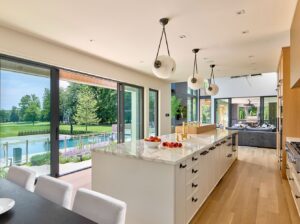
Present Day Homes
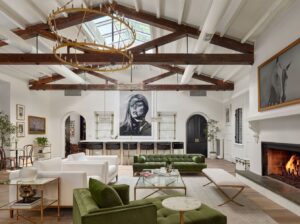
The shift from homes with separate, purpose-specific rooms to today’s highly sought-after open-floor plans has been revolutionary in the field of architecture. Open layouts invite light, movement, and connection, dissolving the boundaries between cooking, dining, and relaxing. During times of celebration, whether holidays, birthdays, or graduations, these designs make hosting and entertaining effortless, allowing homeowners to stay engaged with loved ones no matter where they are in the home.
Open floor plans foster a sense of social togetherness. Family members can spread out across one shared space; each engaged in different activities while still being part of the same conversation. For entertaining, the kitchen, dining area, and living room flow seamlessly into one expansive social hub, a design particularly well-suited for families with young children.
Famed architect Frank Lloyd Wright pioneered the concept of the open floor plan. Like other innovators of his era, Wright began designing homes with large, interconnected living spaces that united dining and sitting areas, often centered around a grand open fireplace. He “reinvented domestic architecture to reflect emerging middle-class ideas about leisure time, freedom, convenience, and design for simplicity.” Wright’s approach often incorporated built-in furniture, extensive use of glass, and natural material elements that not only enhanced spaciousness but also created a sense of harmony between the home and its surrounding landscape.
Sources:
Photography Credits: Jeffrey Totaro