What is Waterfront Living
“Humans have been drawn to live on the waters’ edge for millennia, recognizing the importance of seas and rivers for food and trade.” – 10Design
In the post-industrial era, proximity to water increasingly became associated with leisure as people escaped to the sea for holidays and respite. Waterfronts were developed to accommodate, feed and entertain these travelers – often to the detriment of coastal towns and villages – and later to create more permanent communities.
Home on the Bay
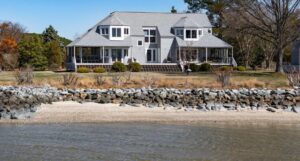
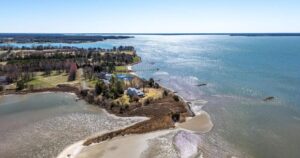
This home is located in Oxford, Maryland set on a peninsula overlooking the Choptank River and the Chesapeake Bay, this house was designed to take advantage of the many broad water views. Porches, decks and balconies provide additional outdoor spaces accessible from every room. This home was raised four feet above the ground to meet flood plain requirements. Cedar shingles, roofing, ceilings, decking and trim are combined with clad windows and doors to create an attractive, low maintenance exterior.
Boathouse Row – Philadelphia, PA
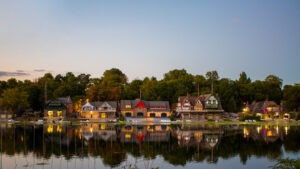
Boathouse Row, a designated National Historic Landmark, embodies Philadelphia’s unique blend of sport, culture, and history. Built during the latter half of the nineteenth century, the boathouses line the eastern bank of the Schuylkill River near the Fairmount Water Works. They serve as home to the Schuylkill Navy of Philadelphia—the nation’s oldest amateur athletic governing body—and have been listed on the National Register of Historic Places since 1987.
Rowing on the Schuylkill became popular after the Fairmount Water Works dam, constructed in 1821, created ideal conditions for the sport and influenced the design of the earliest boathouses. Today, illuminated by thousands of twinkling lights each night, Boathouse Row stands as a glowing landmark, welcoming travelers as they enter Philadelphia along Interstate 76.
Mt. Vernon – George Washington
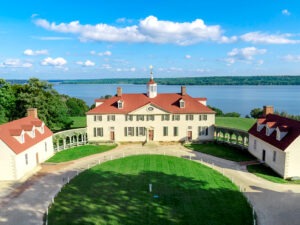
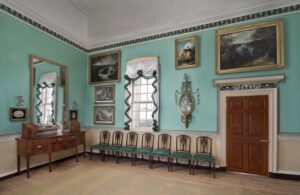
Mount Vernon, the plantation estate of George Washington—the Revolutionary War General and the nation’s first President—served as both his home and final resting place. It is also the burial site of his wife, Martha, along with 20 members of the Washington family. Today, the estate welcomes visitors with its mansion, gardens, family tombs, working farm, fully operating distillery and gristmill, as well as a museum and education center.
Originally built in 1734 by Augustine Washington, George Washington’s father, Mount Vernon stands as one of the most iconic 18th-century homes in America. Washington assumed management of the property in 1754 and, over the next 45 years, expanded it into the 21-room mansion that still stands today.
Set along the Potomac River, Mount Vernon’s strategic location provided both opportunity and vulnerability. The river was central to Washington’s life and estate, offering vital routes for trade and travel, while also serving as the very waterway from which British warships once threatened his home.
Sources
Home on the Bay – Krieger Architects
The Encyclopedia of Greater Philadelphia